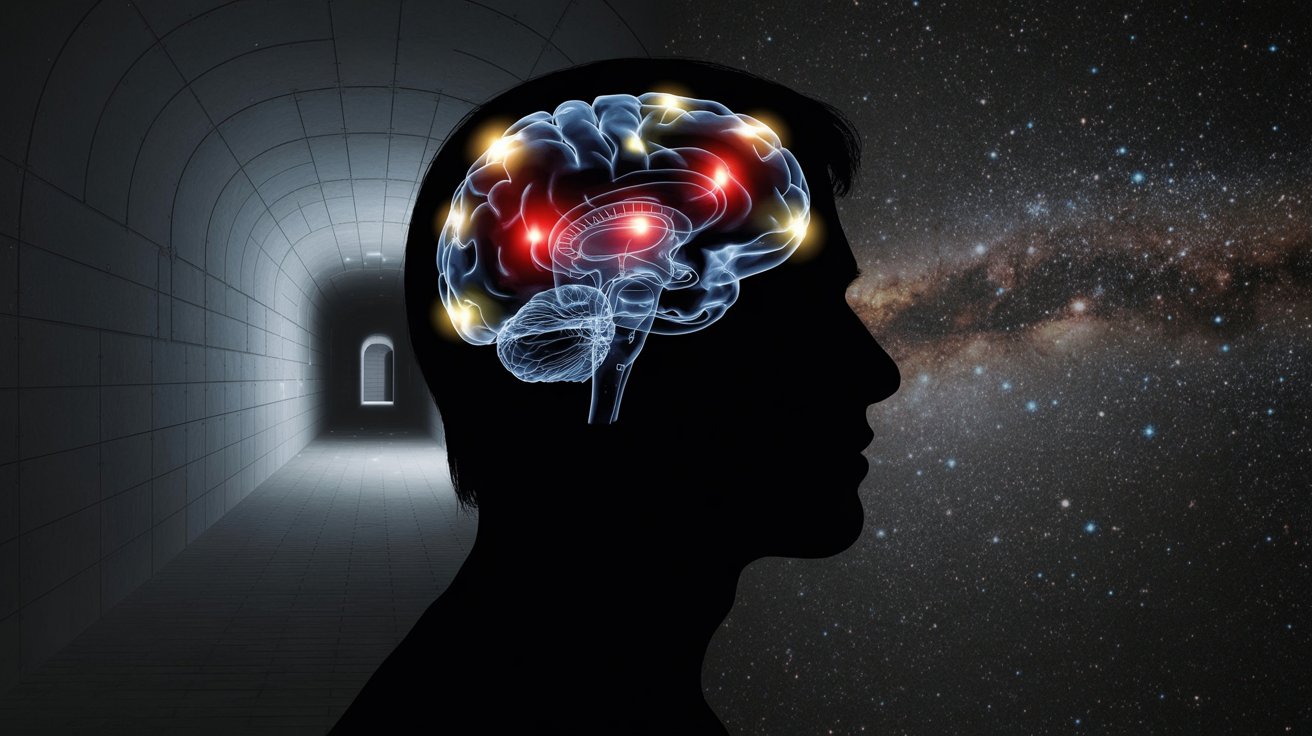

If there were a “dopamine-scanner”—a device that shows the distribution of dopamine activity in the brain—we would see a unique map for every person. Some objects and actions would glow brightly, while others would remain in the shadows. This map is built from two main components: importance (significance) and cause-and-effect relationships.
Importance is the amount of attention we devote to a particular subject. The more we think about something, the greater its significance in the dopamine system. Moreover, this works in reverse: by replaying the same memory in our minds, we amplify its significance and anchor it more firmly in our memory. People with low dopamine levels have reduced cognitive flexibility: they find it difficult to switch gears, they love repetition and order, and they dislike change. It is more comfortable for them to replay familiar patterns than to learn new ones.
Cause-and-effect relationships are the second building block of the dopamine map of the world. The brain constantly builds models of the future and strives to eliminate uncertainty. The better we predict what will follow, the more successfully we adapt to our environment. When cause-and-effect relationships are disrupted (for example, a parent rewards or punishes a child not based on their behavior but depending on their own mood), this disrupts the dopamine system. The child ceases to understand the logic of what is happening, and the brain, which desperately tries to find meaning, cannot find it. Such uncertainty can have serious consequences for personality development.
Attention regulation is also directly linked to dopamine. What is important to us naturally attracts our attention. Concentration problems often turn out to be problems with the dopamine system: when a task isn’t significant enough for the midbrain, no amount of conscious persuasion will get it to engage. If the deadline is a month away, every creak of a door distracts you. If the deadline is tomorrow—the significance skyrockets, and you can work even with an orchestra playing.
Stress has the ability to narrow your planning horizon. When a person is in survival mode, their dopamine system shifts to short-term goals. Pizza becomes incredibly appealing if you can’t see beyond the week. Conversely, if you can clearly picture yourself a year from now, five years from now, or decades from now—momentary temptations lose their grip. Expanding your planning horizon is a powerful tool for managing the dopamine system. Simply asking yourself, “What will be important to me in 50 years?” is enough to ease the pressure of the current temptation.
Many manipulative strategies are aimed precisely at narrowing this horizon. Intimidation, creating uncertainty, and emphasizing immediate threats—all of this is designed to force a person to think only about survival in the here and now, shutting down long-term planning. Recognizing this mechanism is the first step toward regaining control over your own motivation, attention, and, ultimately, your life.


Leave a Reply