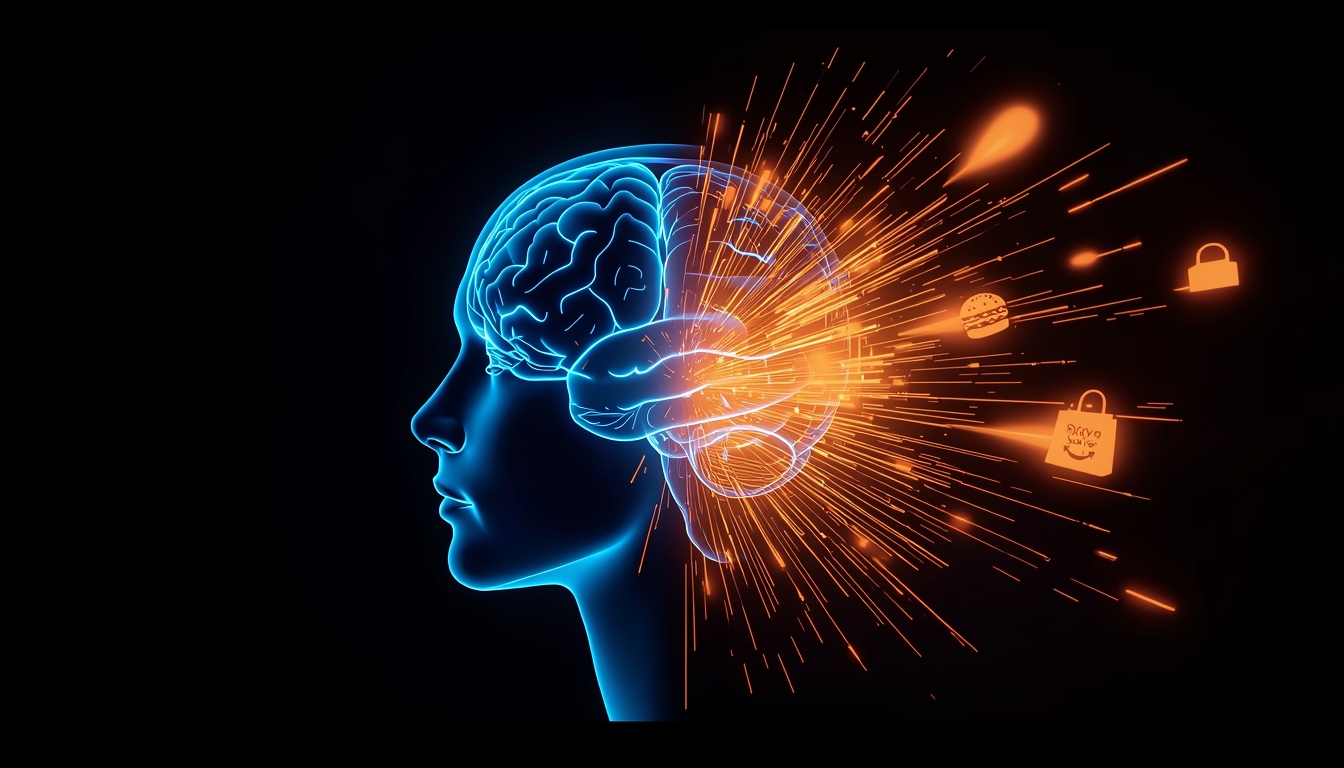

The dopamine system does not function the same way at all times. It has two main modes, which are important to distinguish. The first is the tonic (baseline) level. This is the background release of dopamine that accompanies us constantly, regardless of external stimuli. When a person wakes up in the morning and feels that life is wonderful, or goes out for lunch in a good mood—that’s tonic dopamine at work. It creates the general emotional backdrop against which all other events unfold.
The second mode is phasic dopamine. This is a sharp surge in response to a specific stimulus. You see something in a store window that you’ve wanted to buy for a long time—and instantly feel a rush of excitement. You’re waiting for important news—and the anticipation alone makes you literally glow from within. The phasic surge is proportional to the significance of the stimulus: the more important the object or event is to you, the more dopamine is released. The same thing can elicit completely different reactions in different people—a storm of emotions in one, complete indifference in another.
The baseline level of dopamine depends on many factors. First and foremost—on the environment in which a person finds themselves, on their social circle, and on their actual resources. A person with a million dollars has, on average, higher baseline dopamine levels than someone without such capital. The brain constantly scans the surrounding space and compares itself to others. When you scroll through your social media feed and see perfect photos of other people’s lives, your dopamine levels may drop—because the brain registers the gap between “them” and “me.” Conversely, if everyone around you looks worse off and you look better, dopamine levels rise.
With age, the number of dopamine receptors naturally decreases. After age 20, about 6 percent of receptors are lost every 10 years. And this process can be significantly accelerated because dopamine neurons are the most sensitive to toxic and damaging influences. They are the easiest to lose, and they don’t regenerate well.
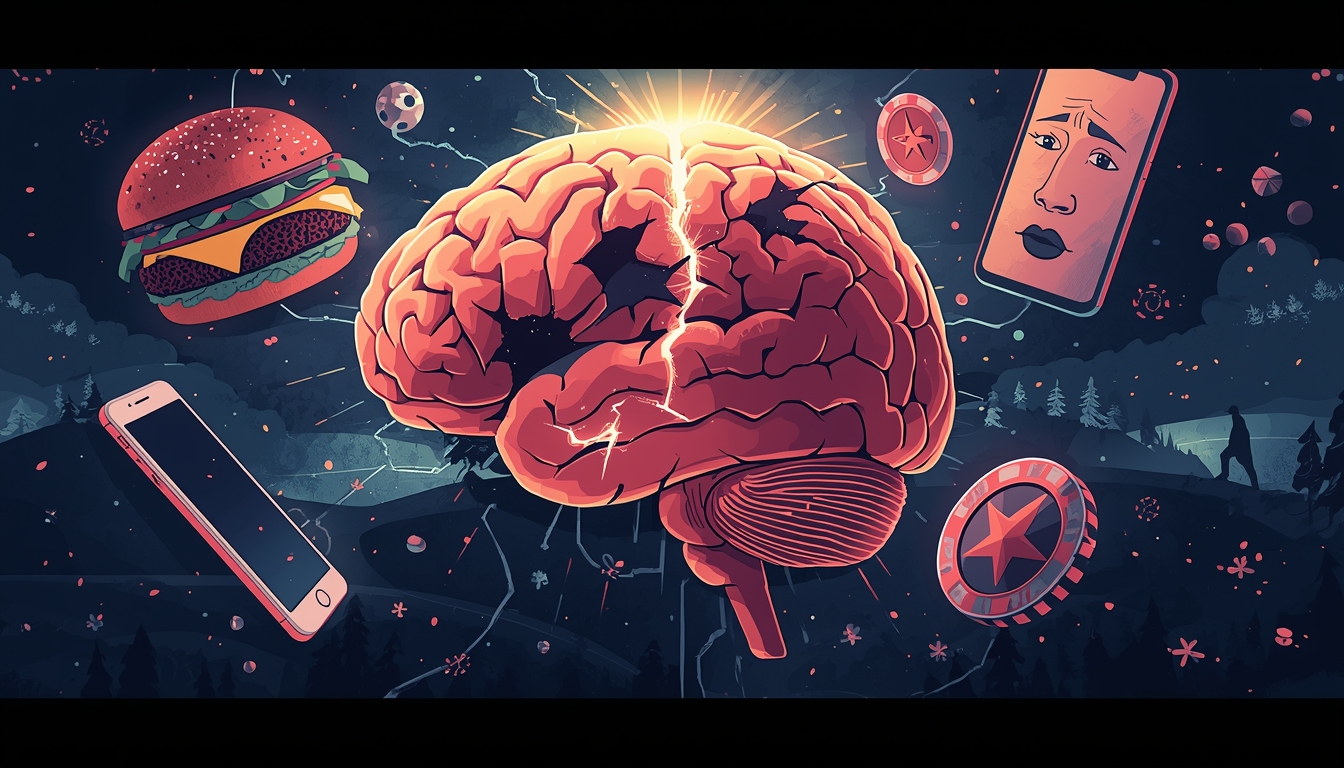
Low baseline dopamine creates a condition known as “reward deficiency syndrome.” Nothing brings a person joy, and they feel uncomfortable in a calm state. A peculiar dopamine craving arises—the sensation that someone has squeezed the brain, and one wants it to “let go.” This is precisely what drives people to constantly seek novelty and stimulation. There is an interesting paradox here: the lower the baseline level, the stronger the phasic surge in response to any external stimulus. A weakened, tired, sleep-deprived person will react to a hamburger or a lottery ticket much more compulsively than someone who feels well. Therefore, the most physiological way to get rid of compulsive cravings is not to fight each temptation individually, but to raise your baseline tonic dopamine level.


Leave a Reply