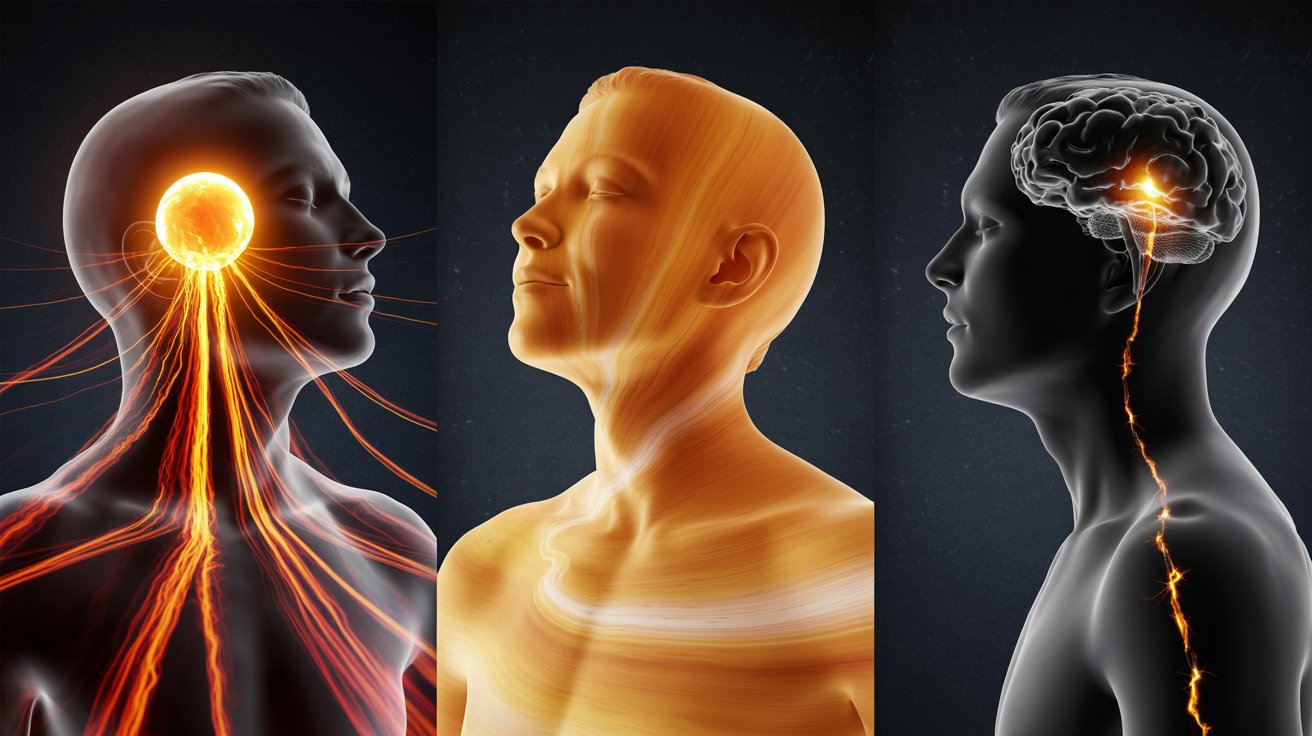

Dopamine is often referred to as the “pleasure neurotransmitter,” but this is a simplification that is more likely to be misleading. In reality, the dopamine system comprises several distinct subsystems, and their functions are fundamentally different.
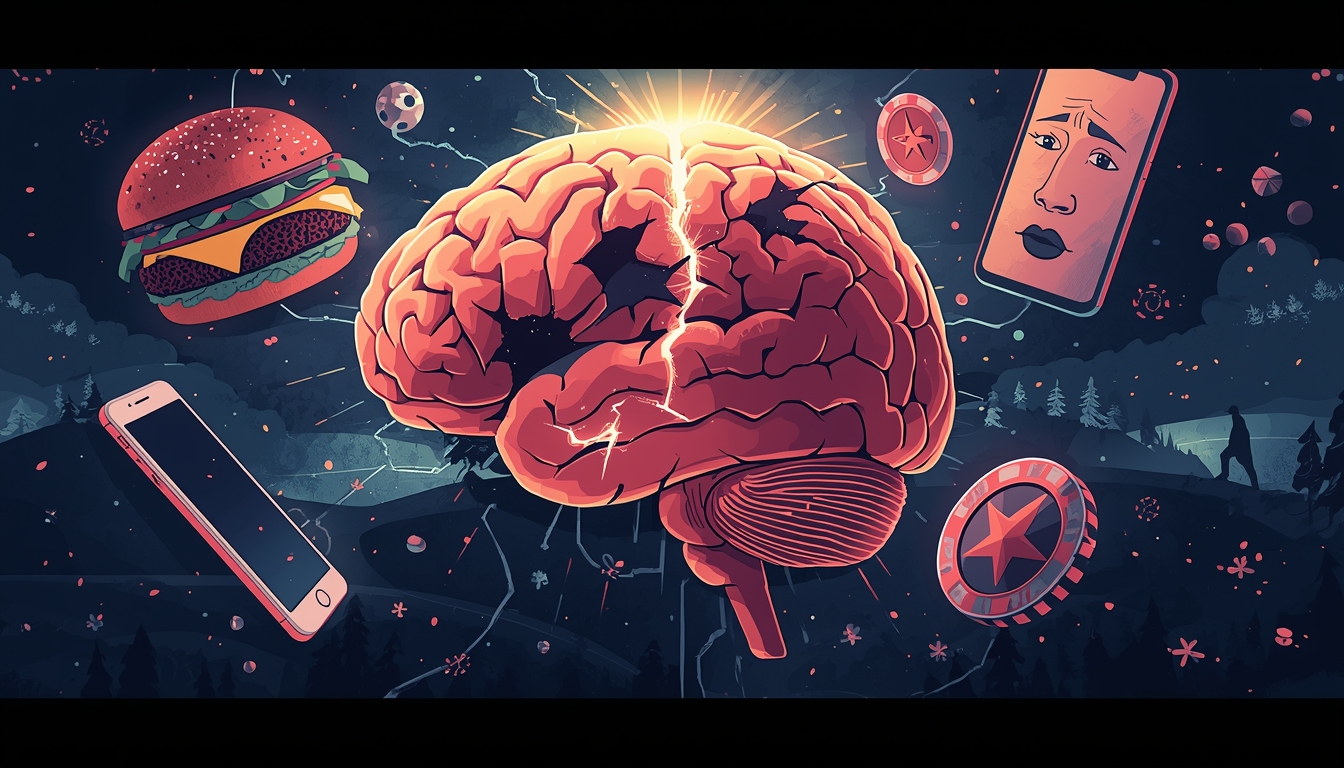
The first and most important function is wanting, or craving. This is an irrational desire to do something, even when you realize it won’t be beneficial. It is craving that leads to relapses of undesirable behavior. You may know that you don’t need to eat that dessert or check your email for the hundredth time, but the dopamine system pushes you to act. It assigns so-called motivational significance to objects in the external world.
The second function is “liking,” the direct experience of pleasure. Surprisingly, this is not driven by the brain’s dopamine systems, but by its opioid systems (endorphins, enkephalins), as well as oxytocin and endocannabinoids. This is sensory bliss “here and now”: the moment when you feel the sun’s warmth on your skin or savor a taste. Dopamine, however, is not responsible for the pleasure itself, but for the anticipation and reinforcement of the path leading to it.
The third function is learning. When a powerful surge of dopamine occurs, it reinforces the behavior that led to that surge, regardless of whether you like that behavior or not. You may consciously understand that you’re doing something wrong, but if the action is accompanied by a dopamine surge, the brain memorizes that path. Dopamine works like a snow groomer on a ski trail: the more often you slide down a certain path, the more well-trodden it becomes. The next time, it will be harder and harder to veer off it—and this happens without your conscious involvement.
There is also a fourth state, which can be called “needing.” This is a state where a person has depleted their dopamine receptors to such an extent that they cannot take action without additional stimulation. A classic example: a person can’t go to work without a shot of cognac or can’t go to the gym without motivational videos and a double dose of caffeine. For them, it’s no longer a pleasure, but a basic necessity just to function.
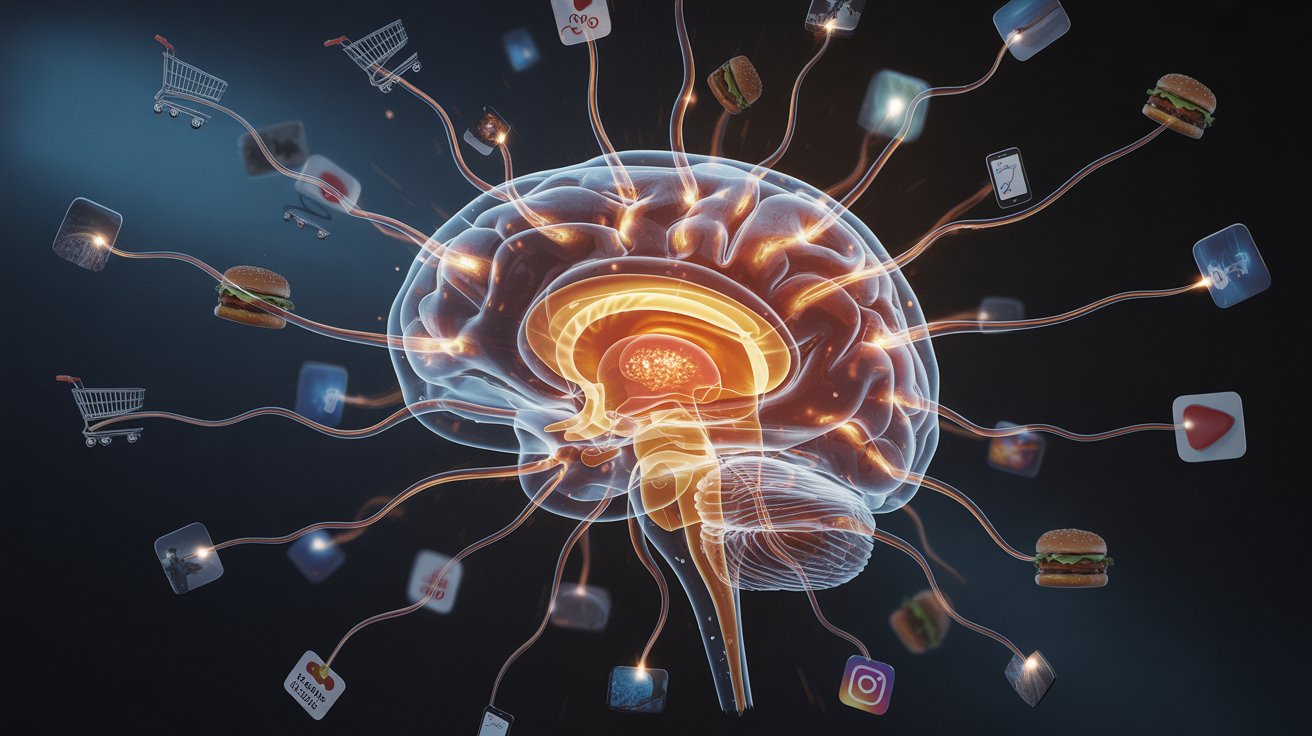
This entire system operates as a single mechanism. A trigger releases dopamine, dopamine facilitates the action, the action leads to a reward, and the reward reinforces the link between the trigger and the action. A loop is formed: the more often it plays out, the stronger the neural pathway becomes. In physiological processes (hunger—food—satiety), such rigid loops do not form. But as soon as there is no natural brake, the chain can spin endlessly.

Leave a Reply